
The office cafeteria transformation is reshaping how we experience food at work. What used to be a quick survival stop for lukewarm curry and rice is now becoming a space for culture, wellness, and community.
Let’s rewind.

Remember standing in long queues, balancing stainless steel trays, hoping the curry hadn’t gone cold? Lunch breaks were mechanical — conversations rarely went beyond deadlines. The cafeteria felt more like a factory line than a food experience.
Fast forward to 2025 — cafeterias are no longer just “canteens.” They’ve transformed into culture hubs, where food sparks friendships, chai breaks become idea sessions, and menus reflect employee care.
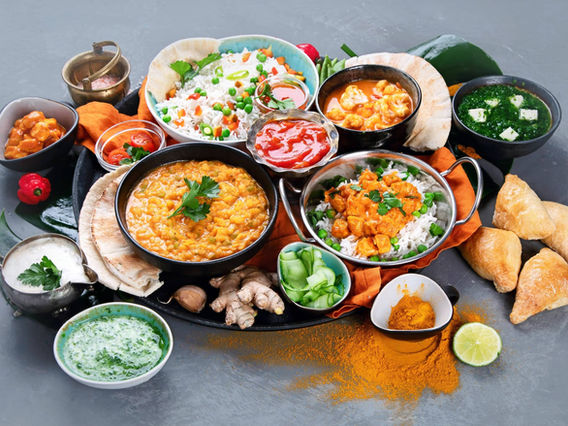
Menus are no longer one-size-fits-all. Now, employees scan QR codes, personalize spice levels, and choose from keto, vegan, or regional comfort food options. Cafeterias today promote food inclusivity and reflect diversity.
Live stations — from sizzling dosas to steaming momos — turn cafeterias into culinary theatres. They spark interactions, build excitement, and bring freshness back to the lunch hour.
Wellness-focused menus are taking center stage. Think cold-pressed juices, fruit bowls, nut dispensers, and low-GI snacks. Employees no longer crash post-lunch — they thrive.
The chai corner is now a cultural hotspot. Cold brews, artisanal teas, and coffee rituals create those little bonding moments that matter — where quick chats lead to big ideas.
Cafeterias are adopting café aesthetics — community tables, indoor plants, soft lighting, and zones for mindful eating. It’s an inviting space that fosters a sense of belonging.
For companies, this shift is more than aesthetics — it’s a strategic advantage. Great food experiences contribute to:
When employees feel cared for — even through a thoughtful lunch — loyalty follows.
The office cafeteria transformation isn’t a trend — it’s a movement. It proves that small things, like meals and coffee breaks, shape big things — like culture and collaboration